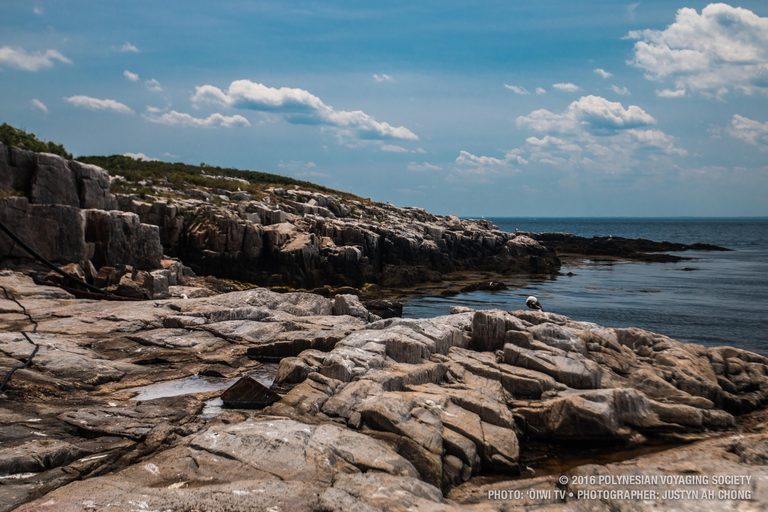
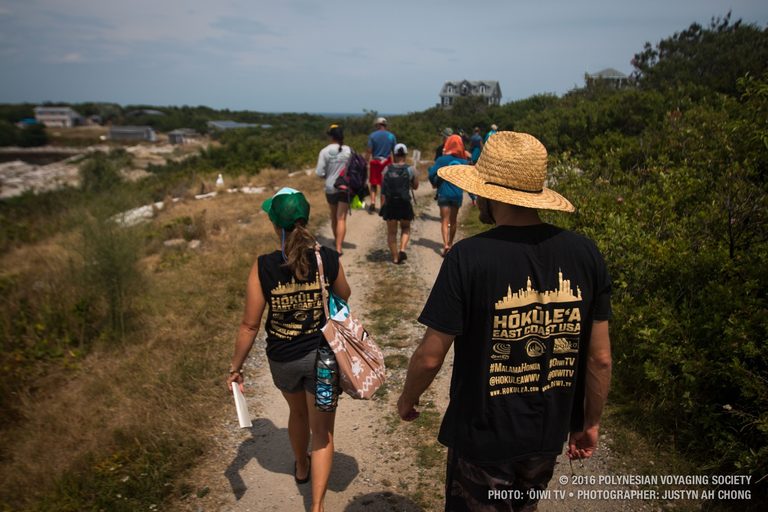
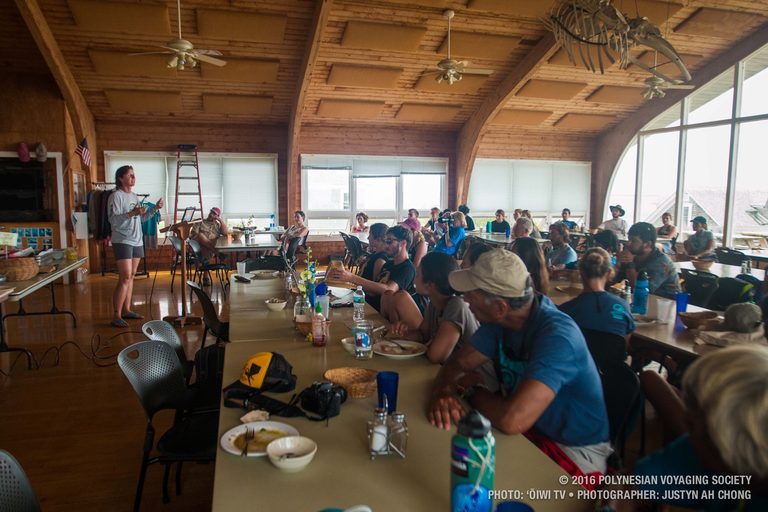
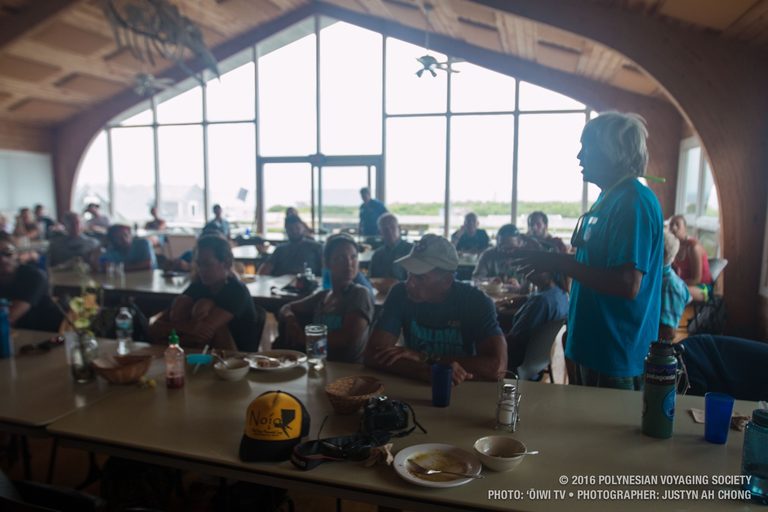
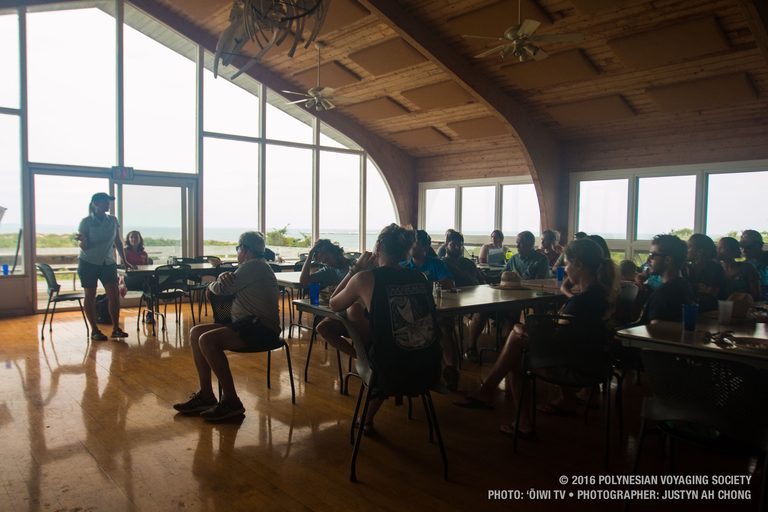
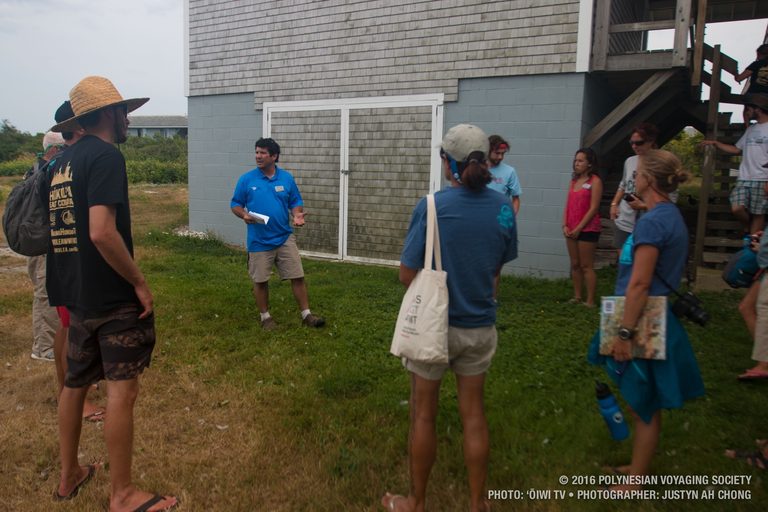
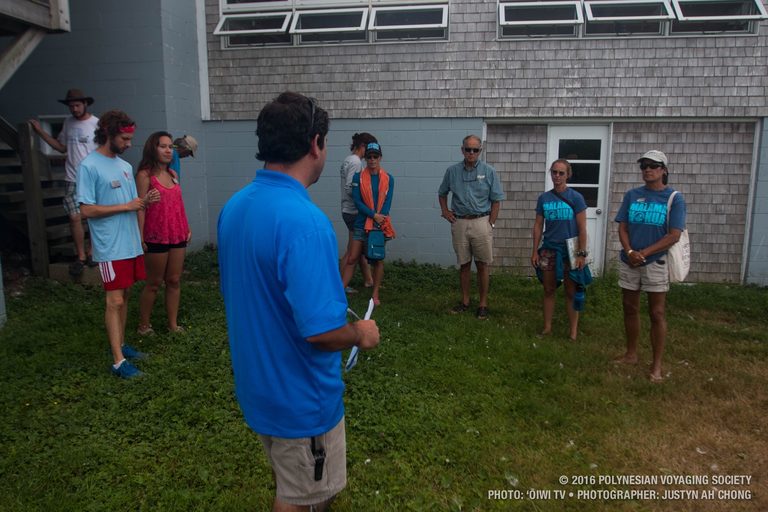
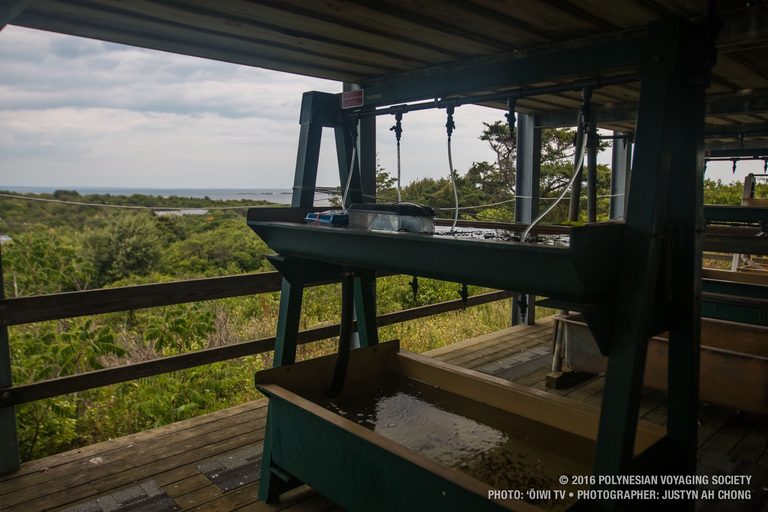
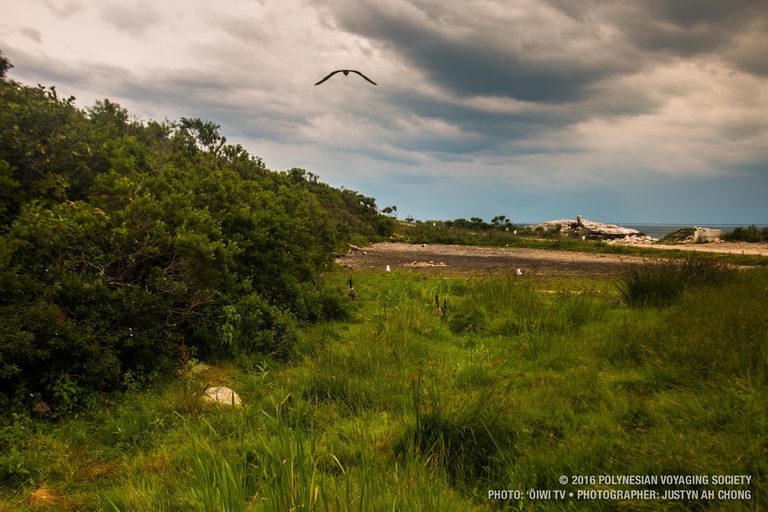
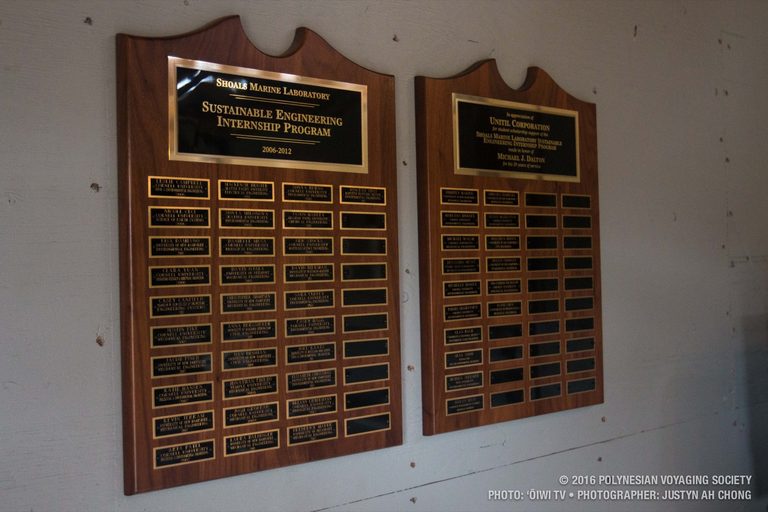
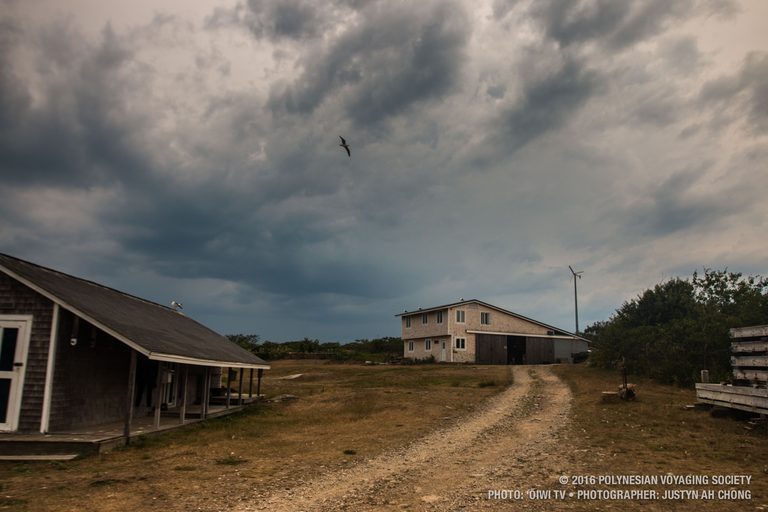
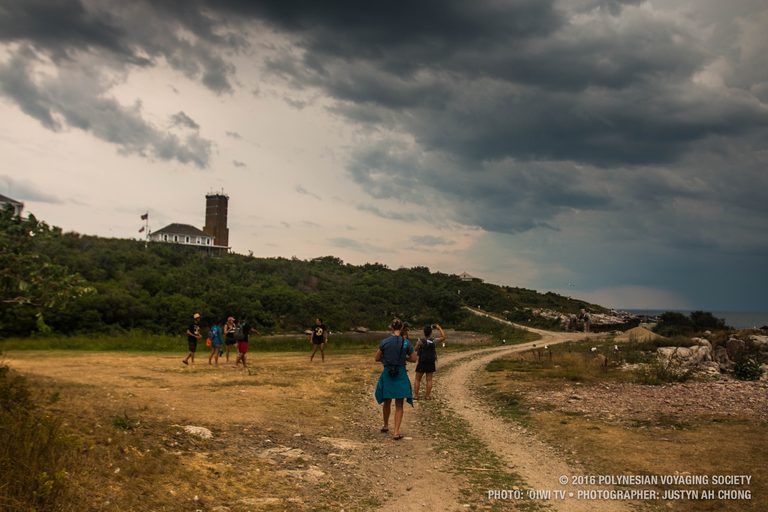
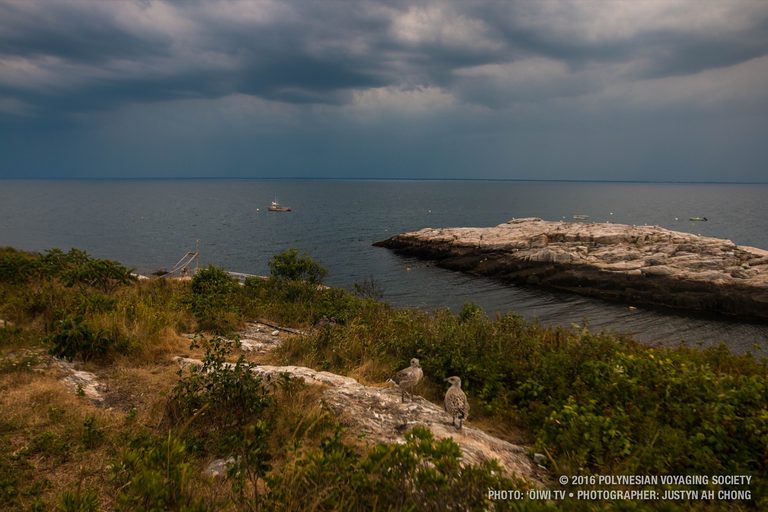
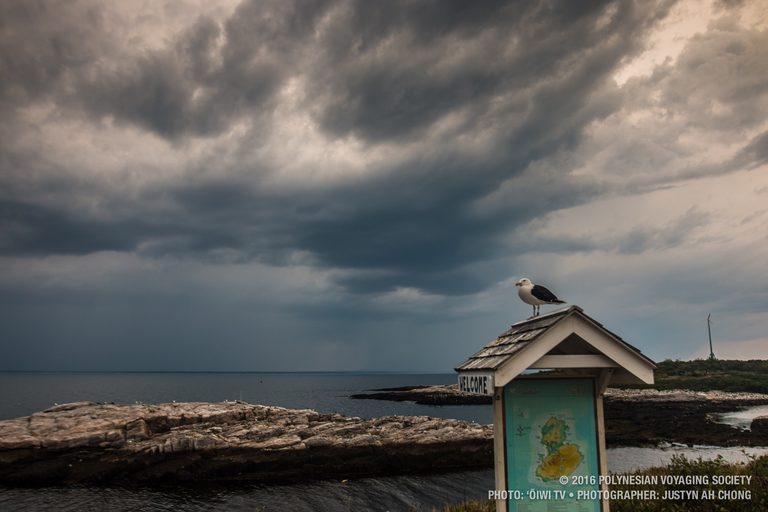
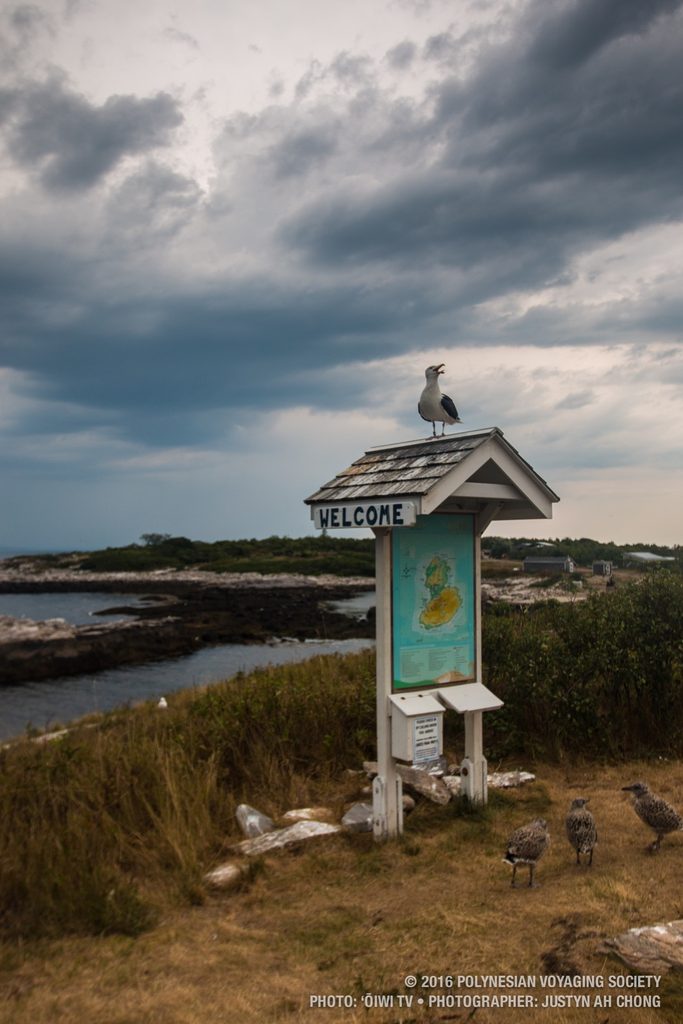
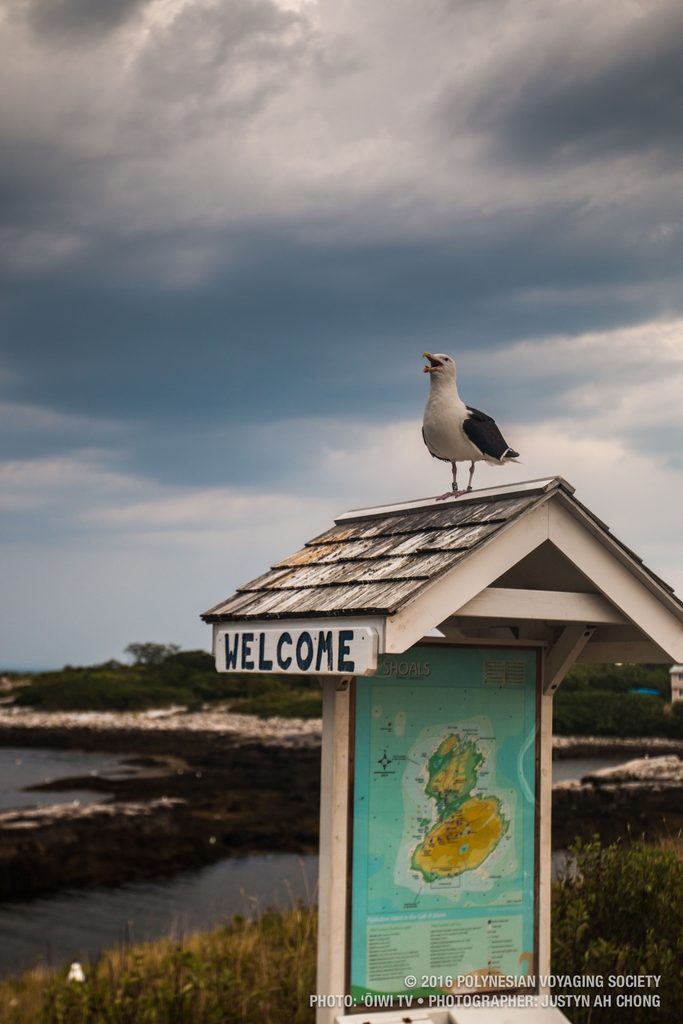
On the rocky shores of Appledore Island, Maine, we were greeted with periwinkle shells held fast by sea grass, hand made by a college student named Athena: one of the many touches that made us feel welcome. A peaceful bird sanctuary inhabited by resident seagulls and a small population of seasonal humans, Appledore is home to the Shoals Marine Lab (SML), run by Cornell University and the University of New Hampshire. SML is the largest marine lab in the country that focuses on undergraduate education, offering courses in underwater research, marine sciences, sustainability, ecology, and evolution. The laboratory is a model of sustainable island living, with a green-grid energy system designed and maintained by students and staff. They live the values of mālama honua by composting food and other waste and by practicing behavioral conservation — a new term for some of us. What does it mean? One to two military-style (turning water off while lathering up) showers a week, and similar changes in habits to reduce consumption. Per person, Appledore Island uses one-fifth of the water that people use on the mainland. As our Captain, Bruce Blankenfield, reminds us, if you can dream it, you can make it happen. This is often in reference to Hōkūle‘a’s voyages, but also applies to any courageous act to aloha ‘āina.
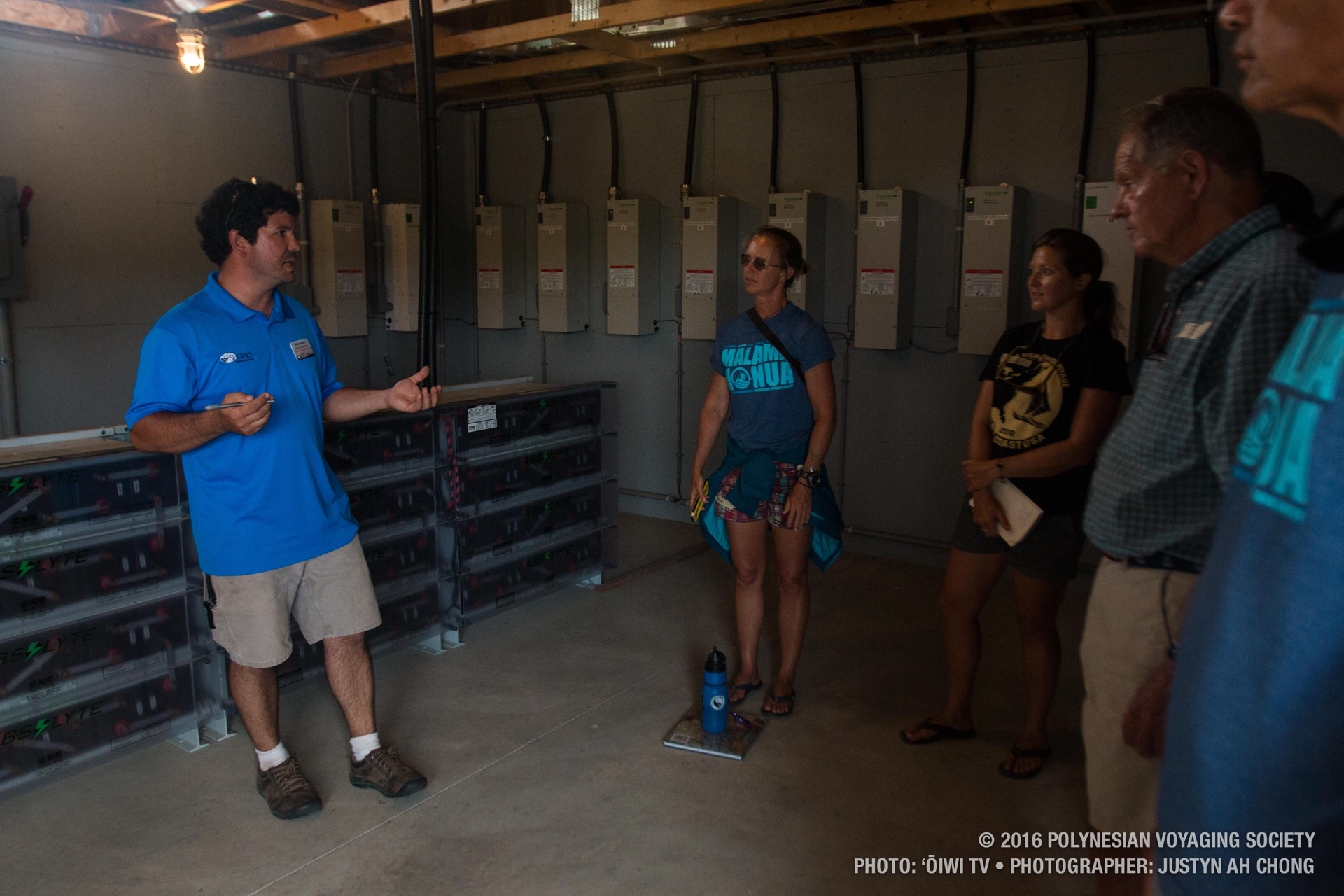
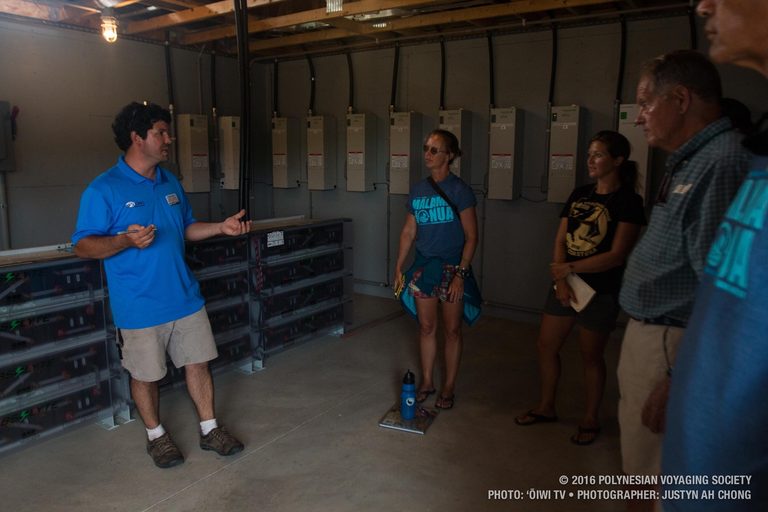
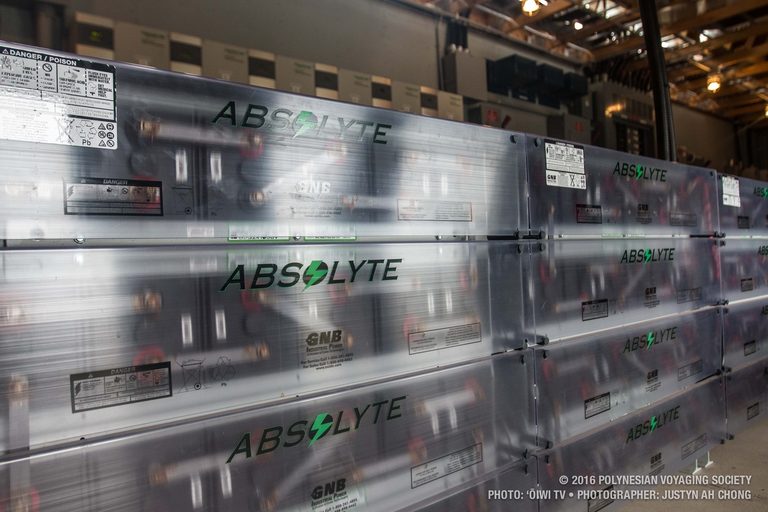
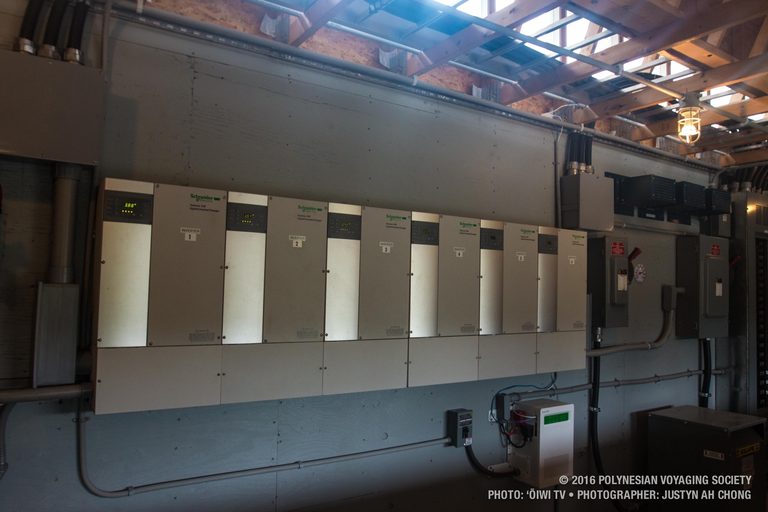
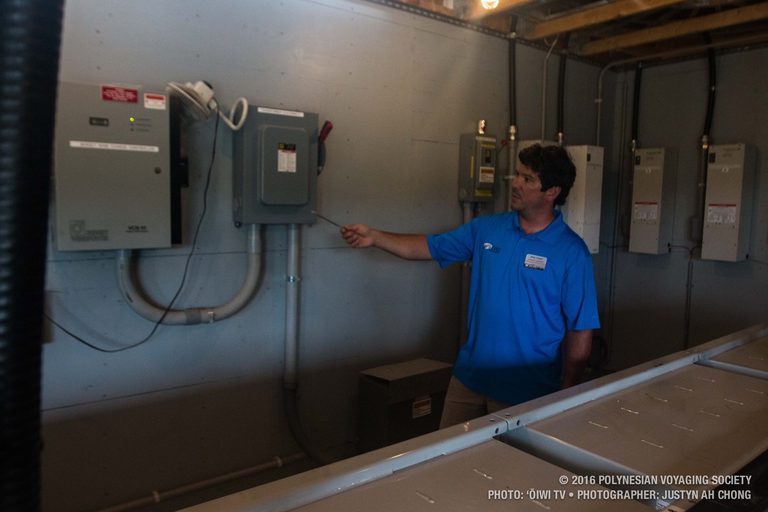
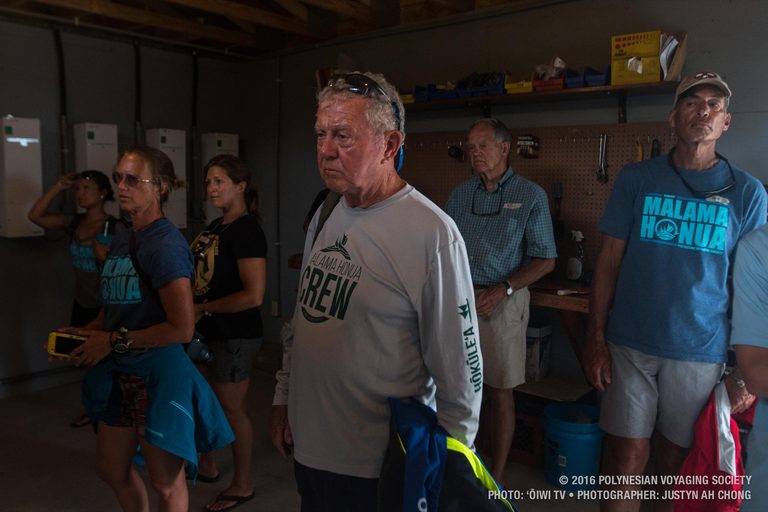
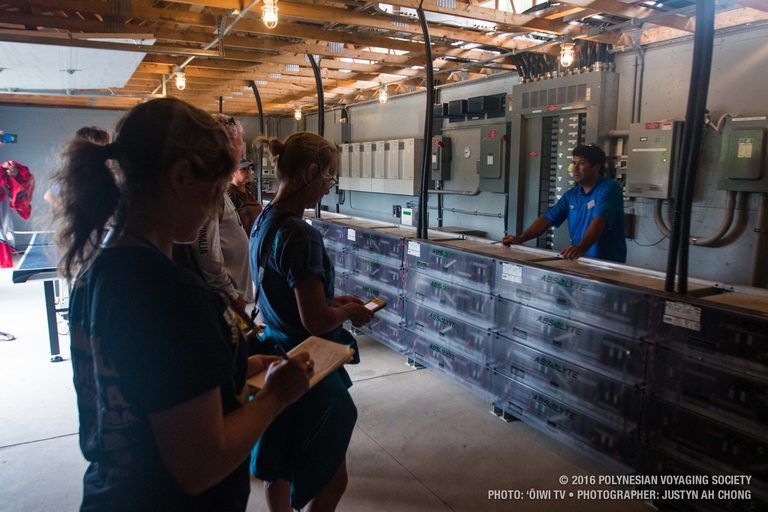
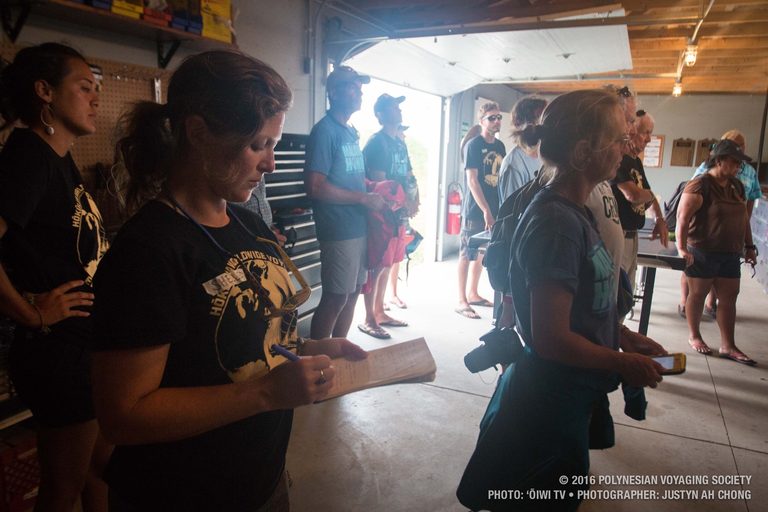
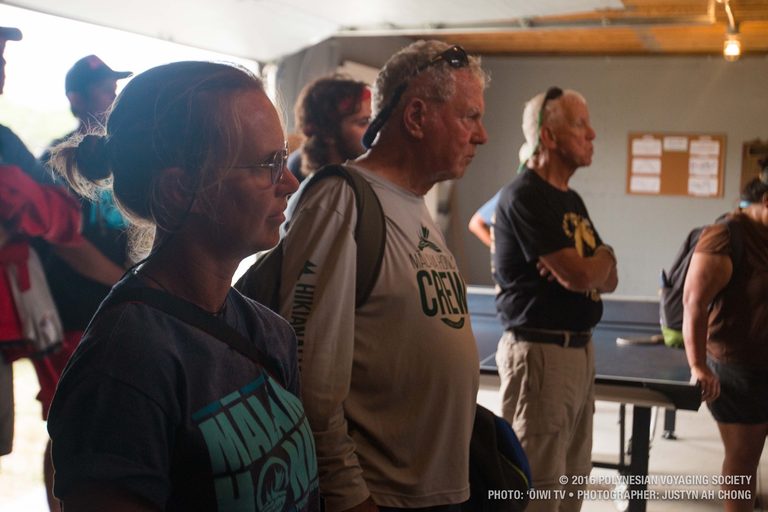
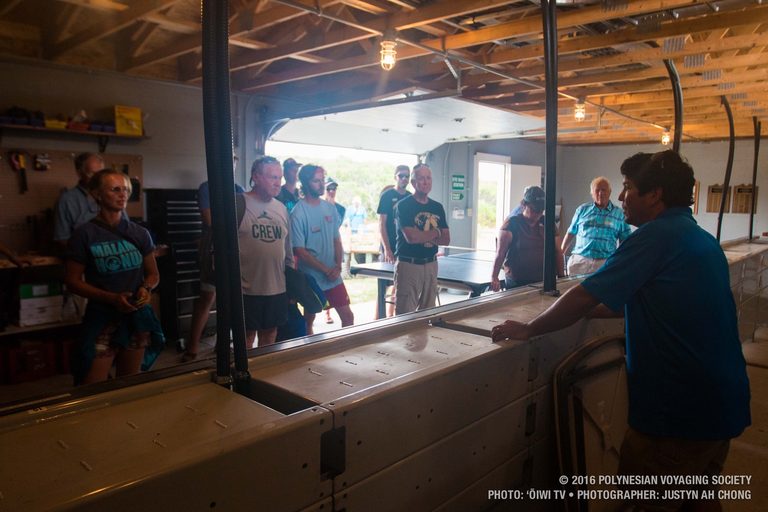
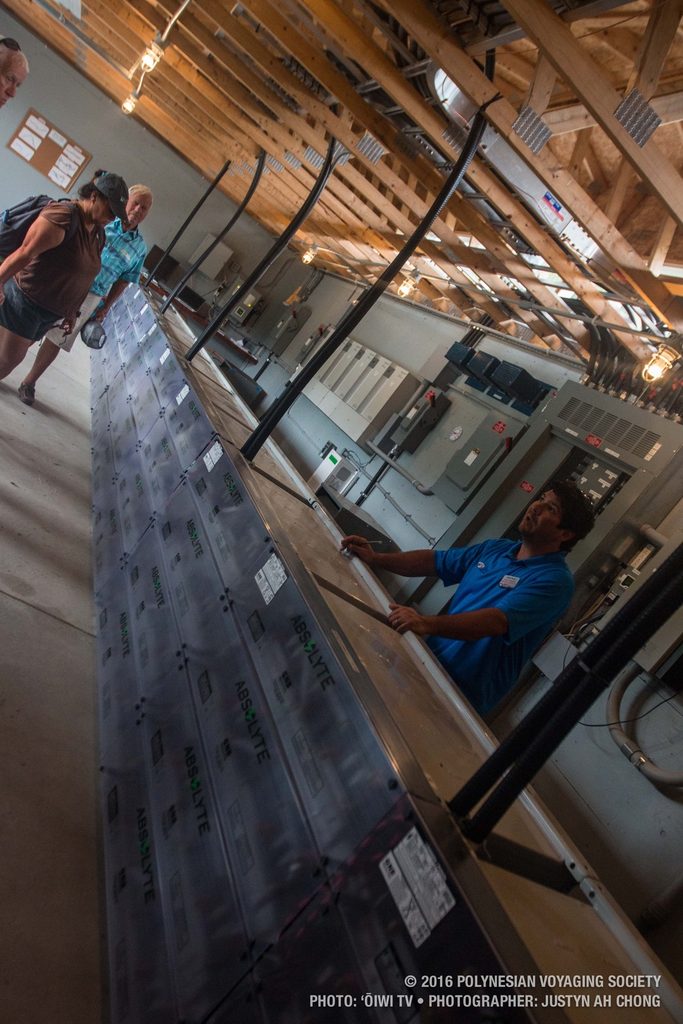
Mike Rosen talks to the crew about the islandʻs clean energy and power banks.
The gorgeous Isles of Shoals reminded me of the finite resources in the Hawaiian islands – the most isolated archipelago on the planet – and methods, new and old, we can use to improve the way we’ve come to inhabit them: the way we source our food, clean and heat our water, cool our buildings, and dispose of our waste. What can we do better? What does that look like? Shoals Marine Lab is a shining example. They think of their island as an anchored ship, in the way that we think of our canoe as an island. Katy Bland, a lab coordinator and one of the people instrumental in getting Hōkūleʻa crew to SML, has ties to Hawai’i through time spent in dry dock with Makali‘i, learning from Uncle Chadd Onohi Paishon through the Kumu pa‘a i ka ‘āina program. We spent the afternoon with Katy and her colleagues, sharing about the Worldwide Voyage and learning about the awesome problem-solving work SML is doing to understand and protect our Island Earth.
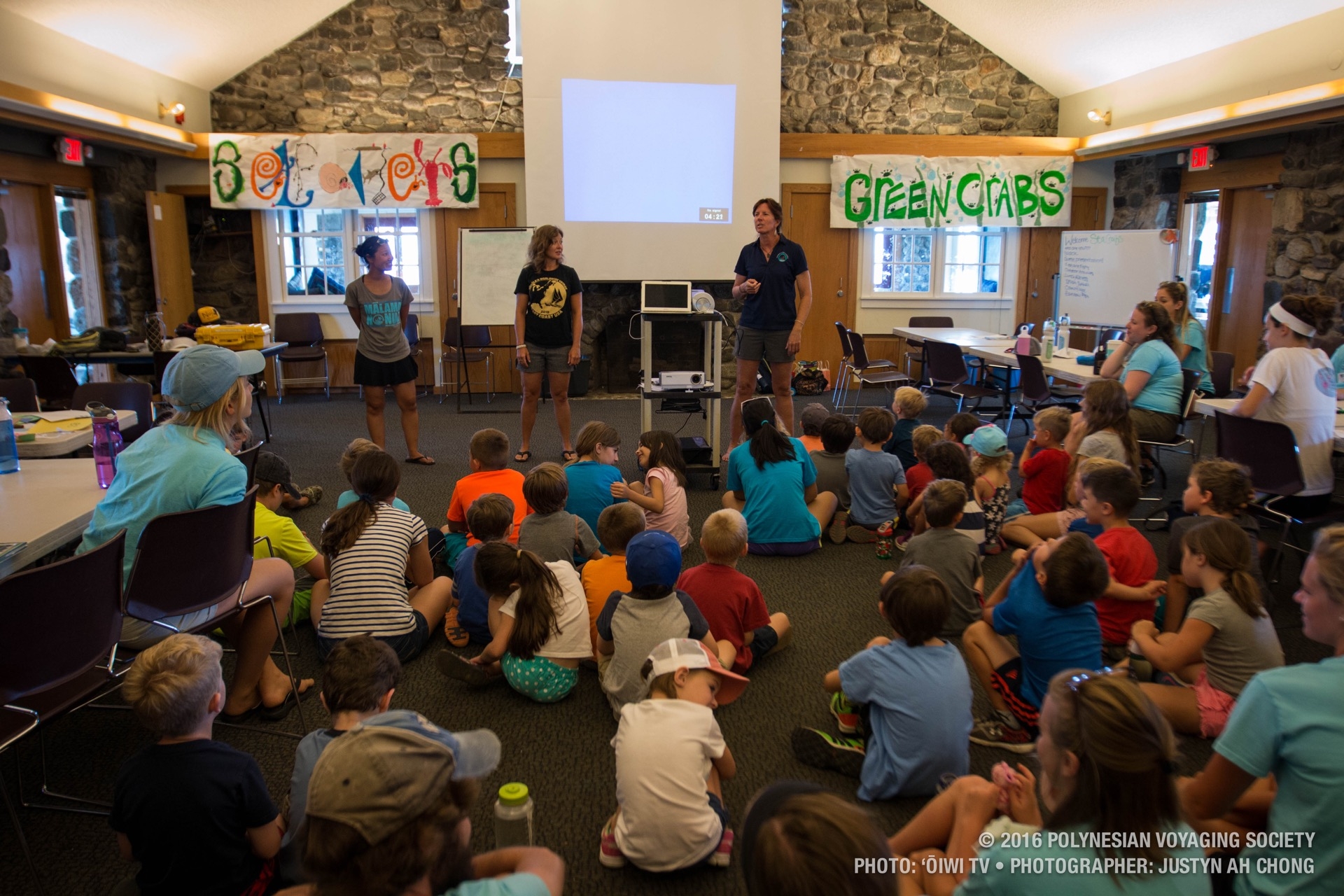
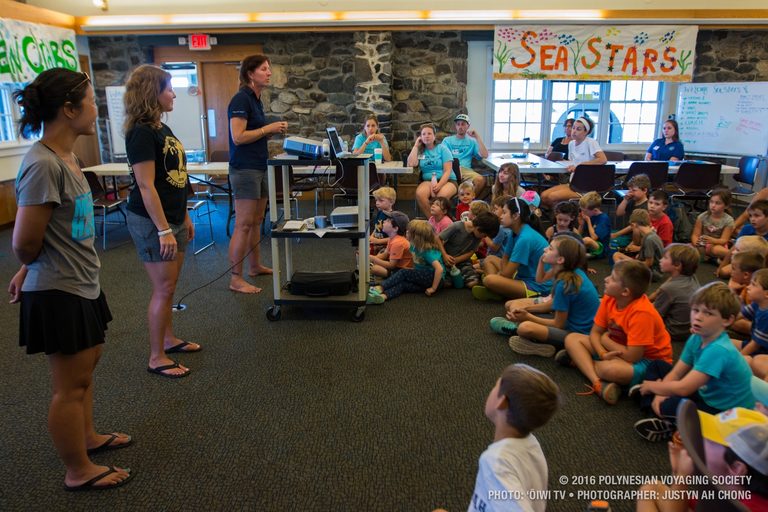
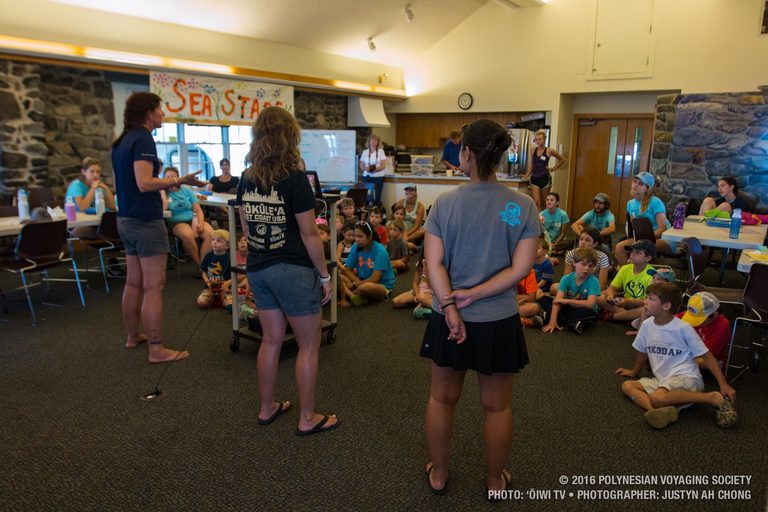
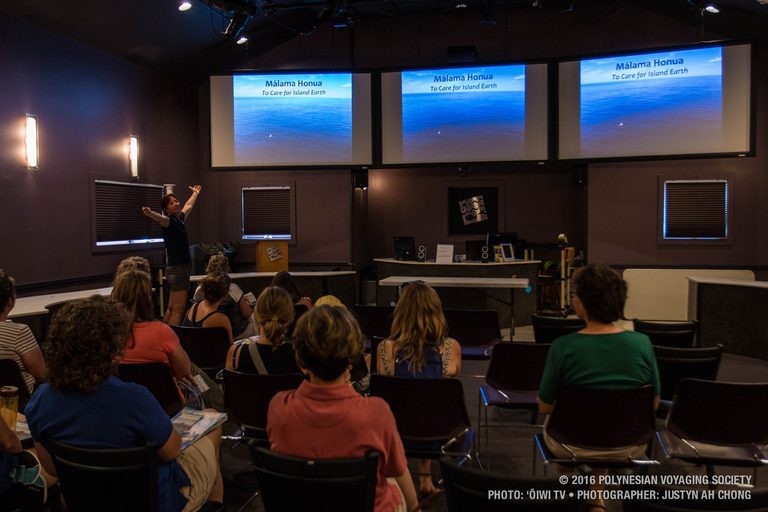
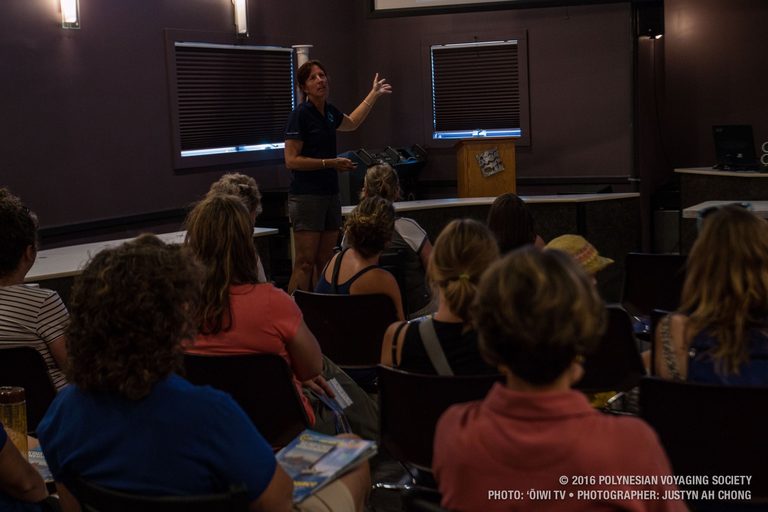
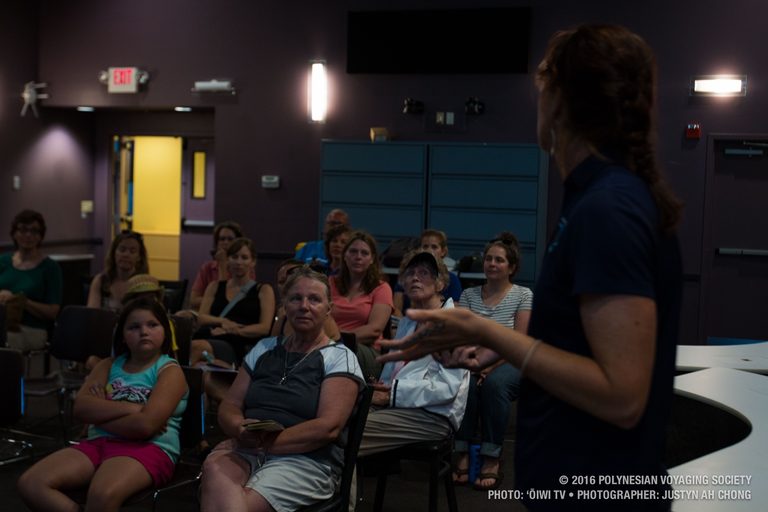
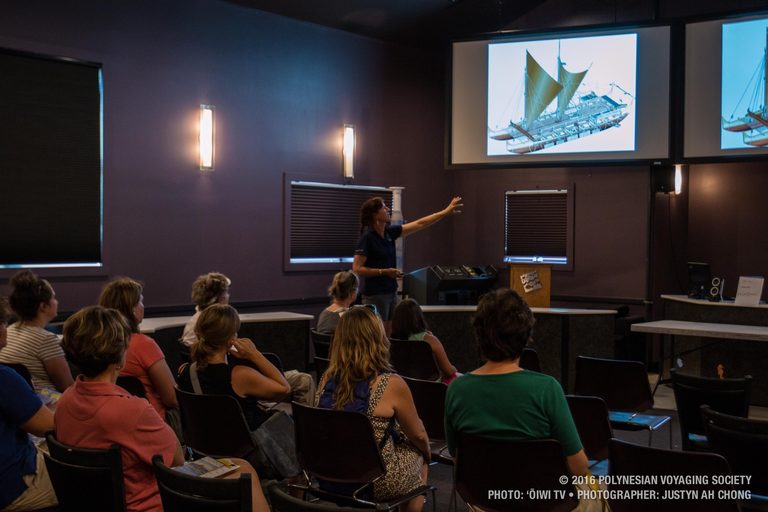
Crewmembers Megan Kawatachi, Shelly Knoetgen, and Catherine Fuller give a presentation to the students of the Seacoast Science Center in Portsmouth, New Hampshire.
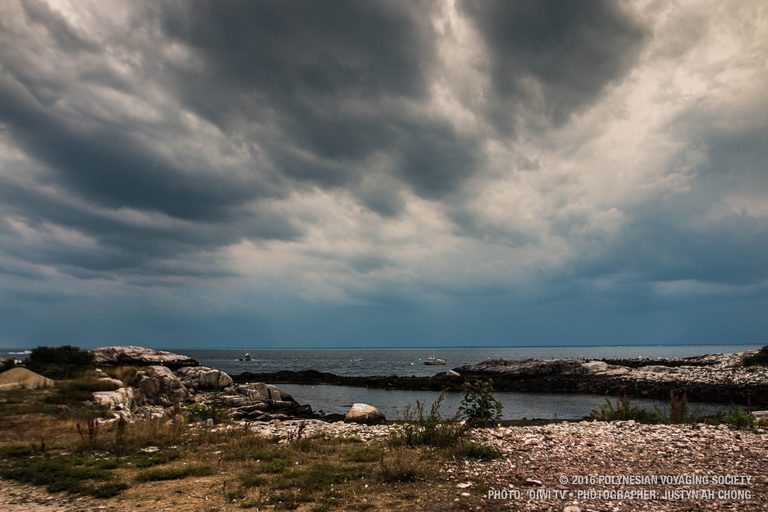
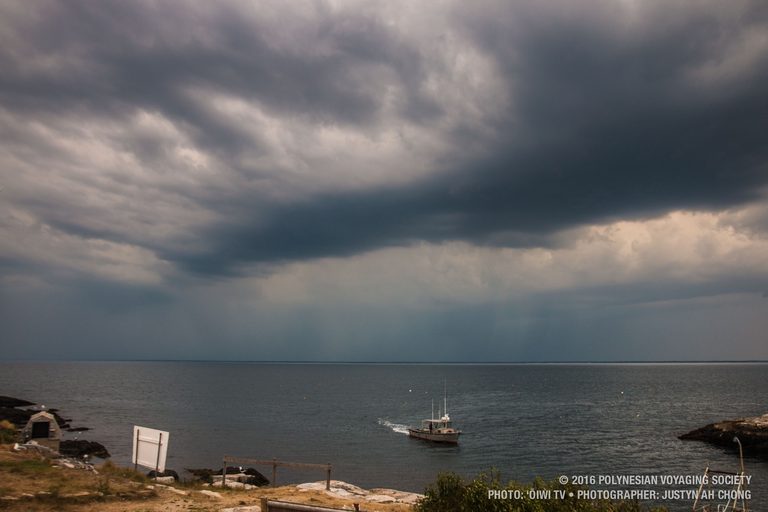
As we were about to hurry off Appledore Island on our way back to Portsmouth for another community engagement, we saw dark gray storm clouds cover the sky. Instead of stepping onto the metal boat that brought us across the body of water known as Bigelow Bight, we walked back up the lichen-covered rocks to Jenn Seavey’s house (SML Executive Director). We ate homemade blueberry coffee cake on her porch, listening to the first cracks of thunder and watching the lighting flash over the ocean. Being waylaid by the thunderstorm was a blessing it allowed us to spend more time on this special island with these special people. While we watched the storm, a couple of crewmembers played a Rarotongan ‘ukulele and sang in Hawaiian, others told jokes. We experienced island time and were gifted with the reminder that we’re not in control of everything: A lesson we learn every day on the voyage – to be flexible and open to enjoying life as it unfolds. After the sky cleared, we walked down to the rollicking pier, periwinkle shells on our wrists and ankles, carrying part of the island’s wisdom with us.
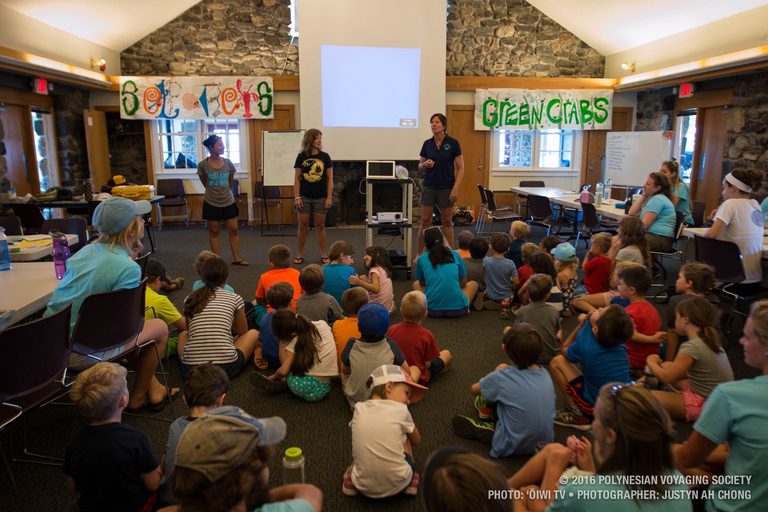
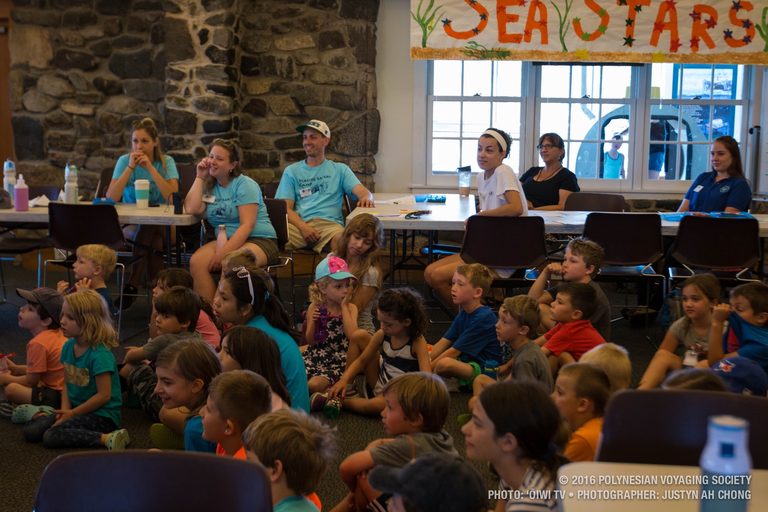
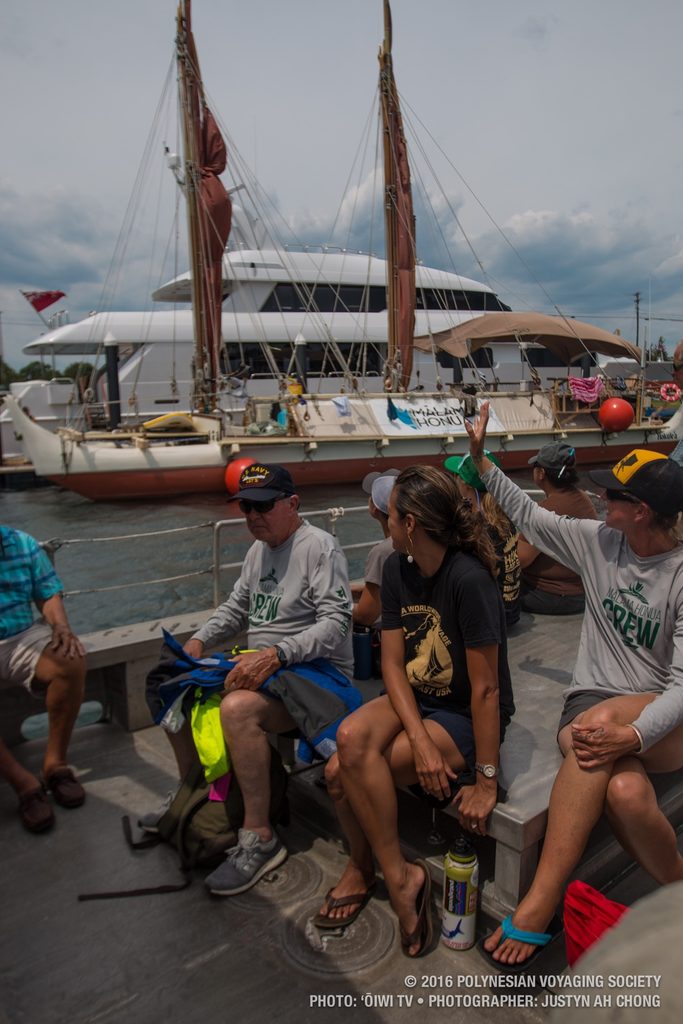
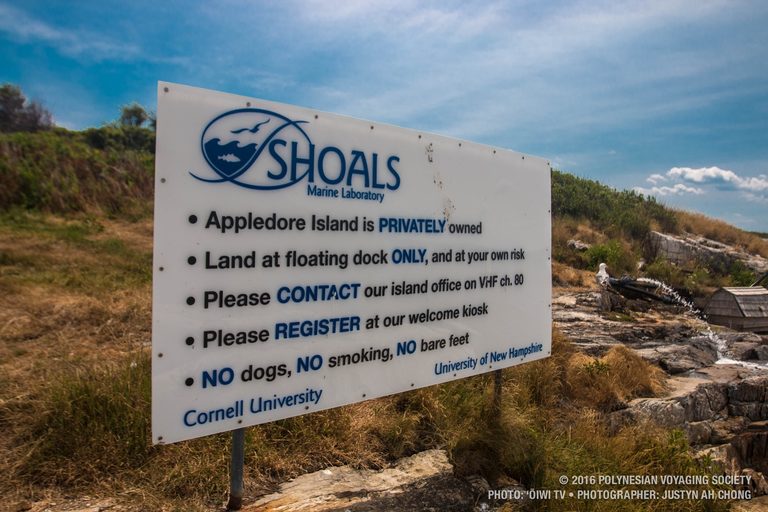
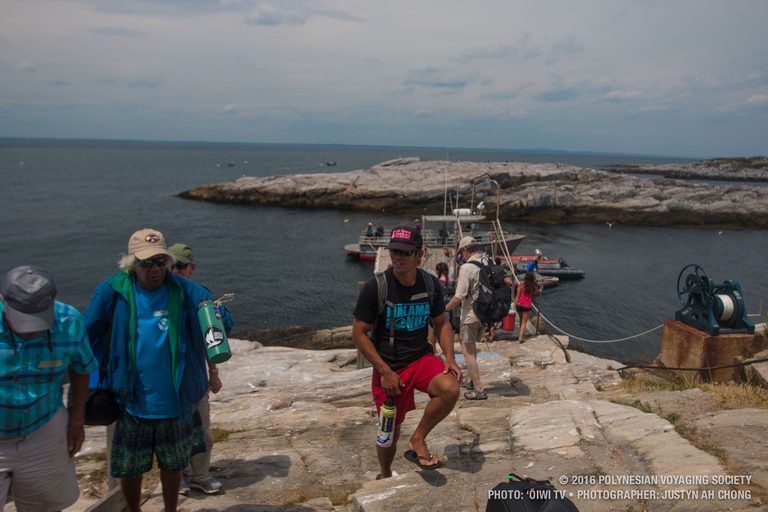
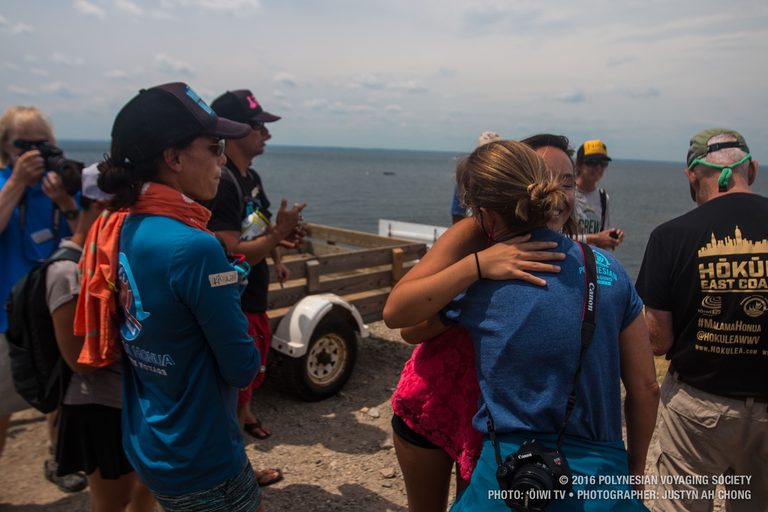
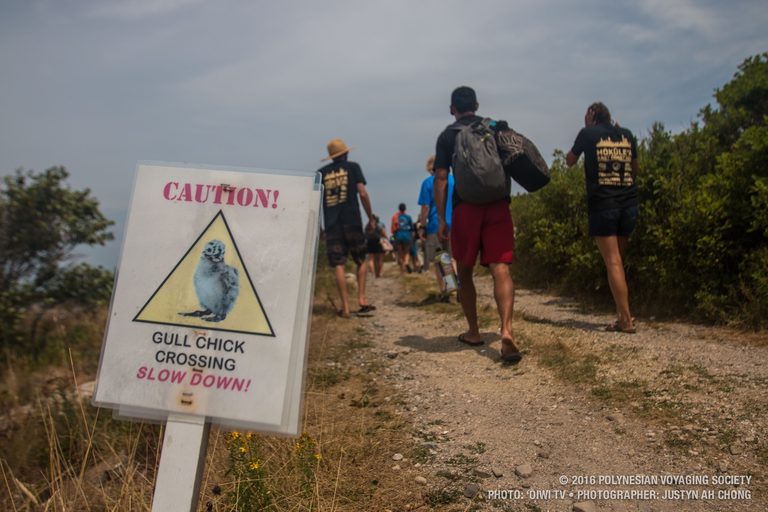
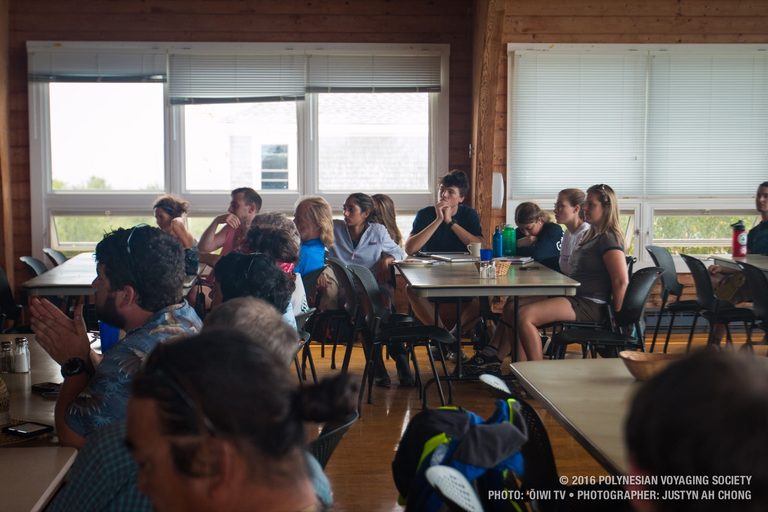
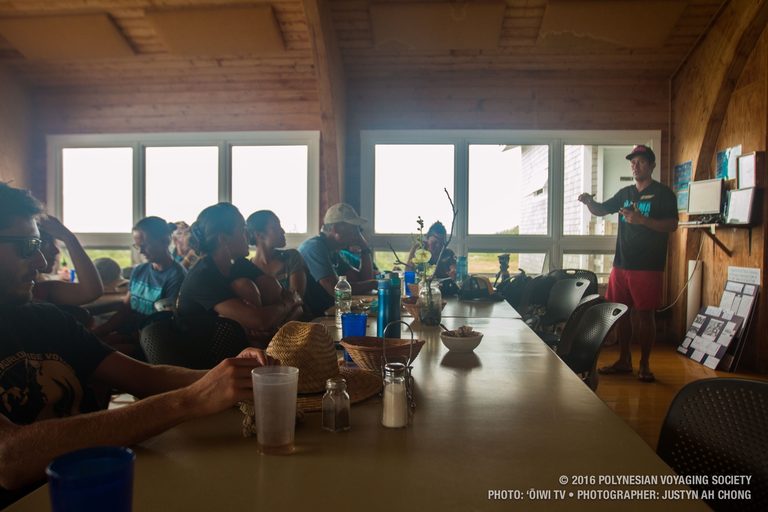
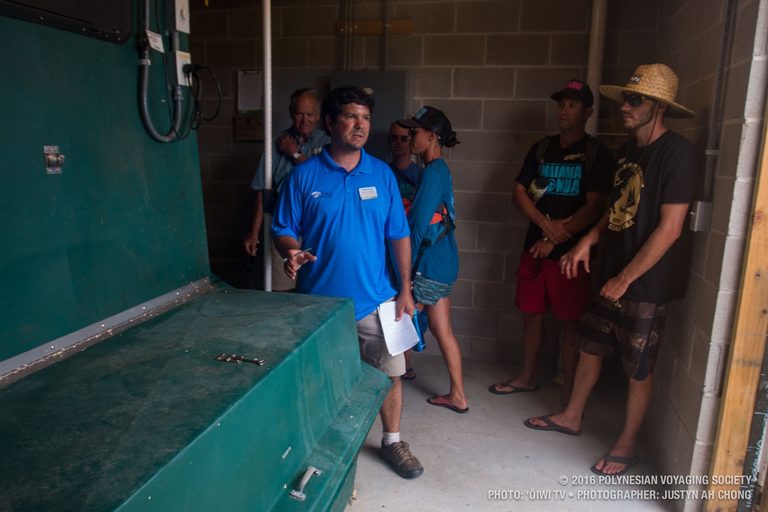
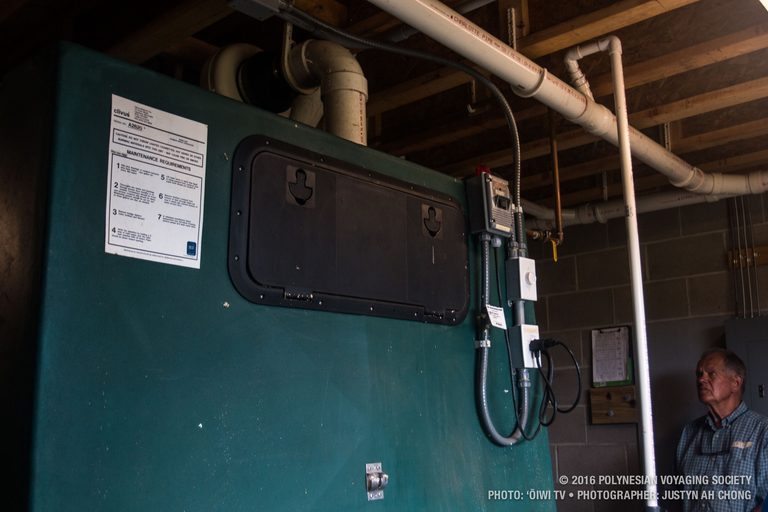
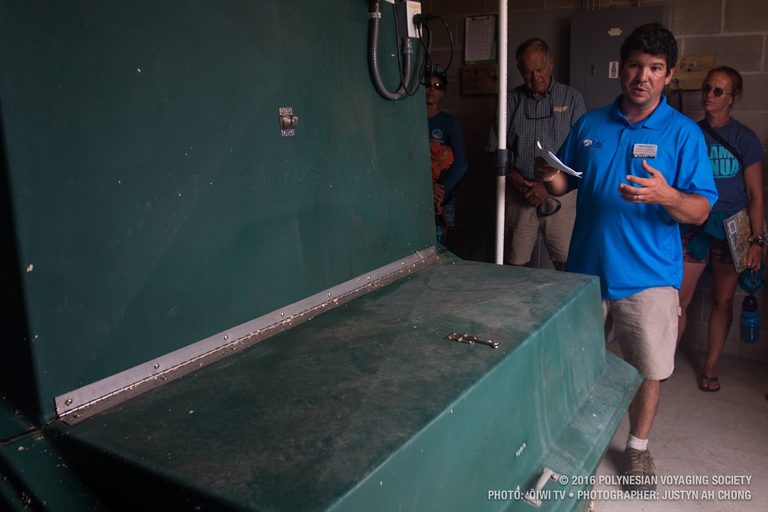
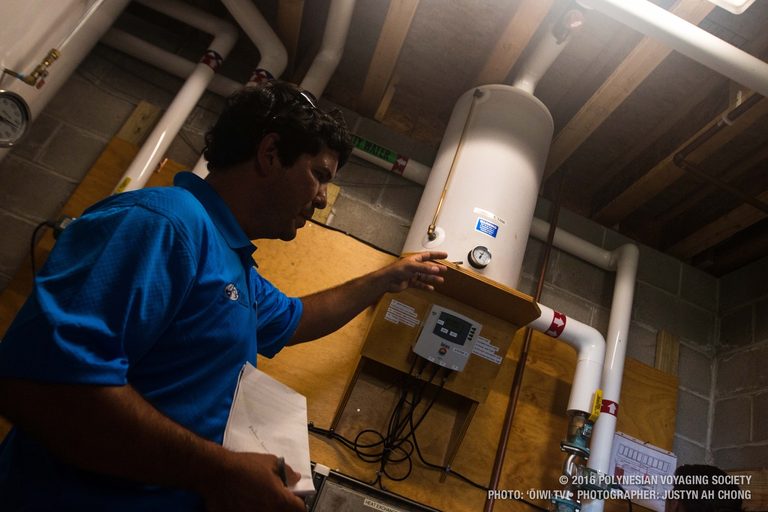
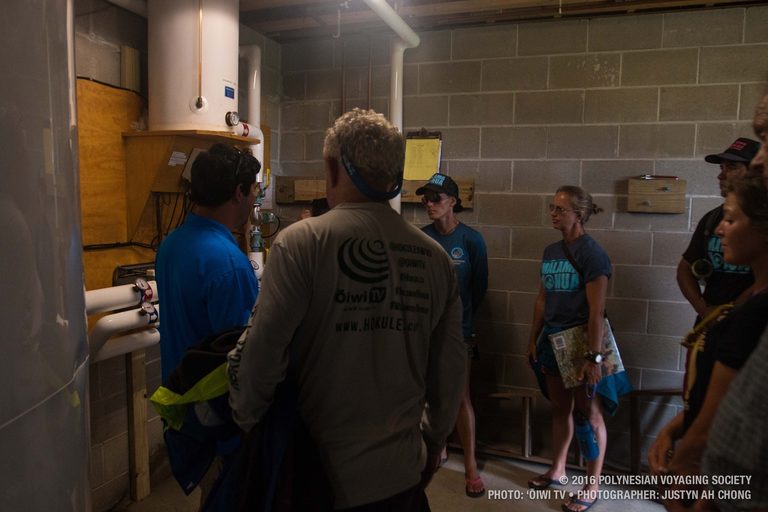
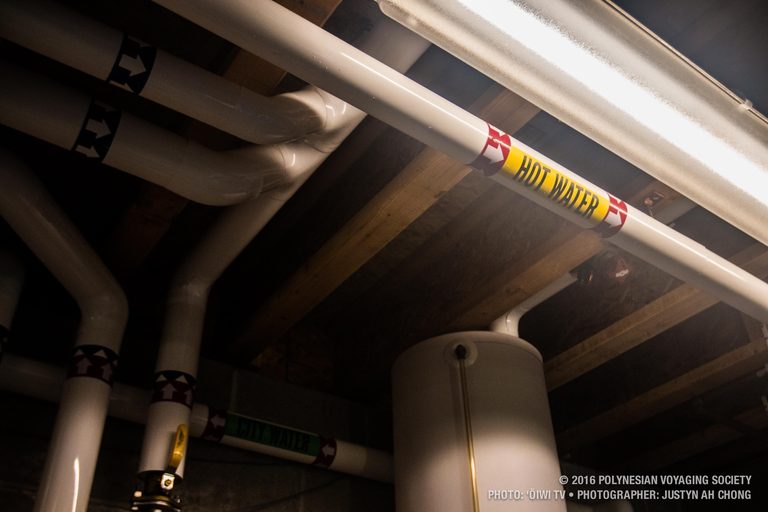
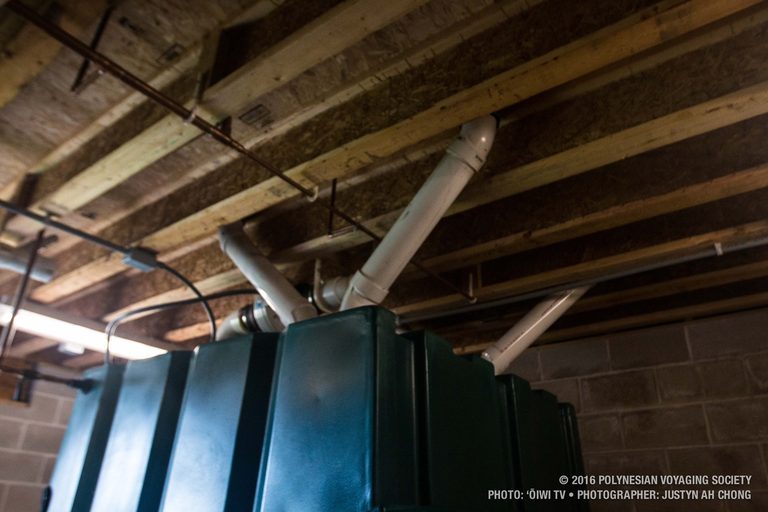
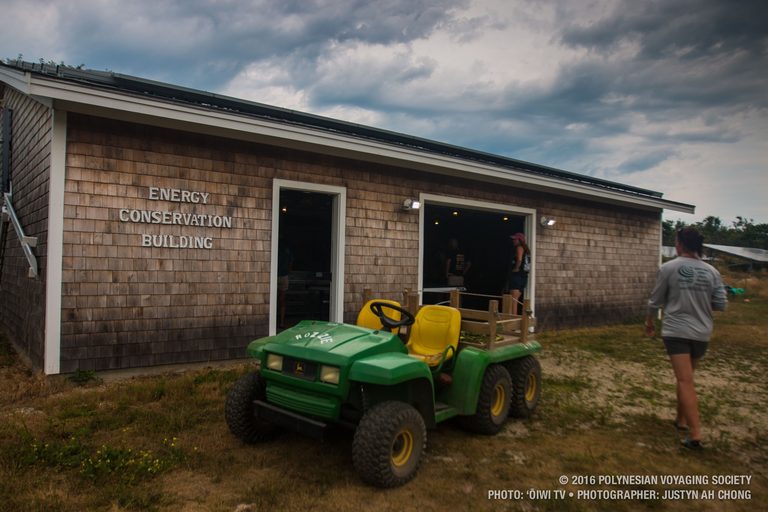
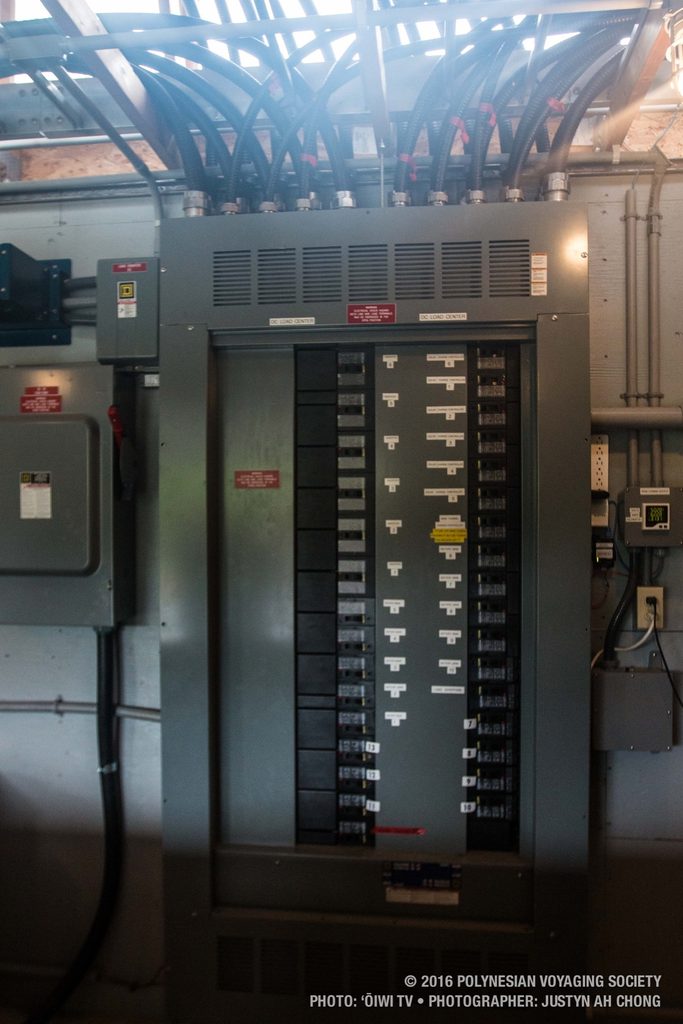
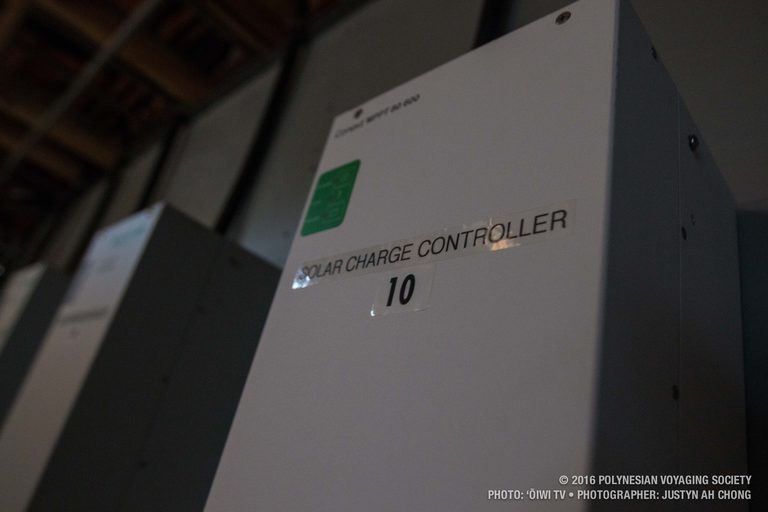
Crewmembers Megan Kawatachi, Shelly Knoetgen, and Catherine Fuller give a presentation to the students of the Seacoast Science Center in Portsmouth, New Hampshire.Crewmembers Megan Kawatachi, Shelly Knoetgen, and Catherine Fuller give a presentation to the students of the Seacoast Science Center in Portsmouth, New Hampshire.Crewmembers Megan Kawatachi, Shelly Knoetgen, and Catherine Fuller give a presentation to the students of the Seacoast Science Center in Portsmouth, New Hampshire.Students at the Seacoast Science Center listen to our crewmembers talk about Hōkūleʻa and the Worldwide Voyage.Crewmember Catherine Fuller gives a Mālama Honua presentation to community members at the Seacoast Science Center in Portsmouth, New Hampshire.Crewmember Catherine Fuller gives a Mālama Honua presentation to community members at the Seacoast Science Center in Portsmouth, New Hampshire.Crewmember Catherine Fuller gives a Mālama Honua presentation to community members at the Seacoast Science Center in Portsmouth, New Hampshire.Crewmember Catherine Fuller gives a Mālama Honua presentation to community members at the Seacoast Science Center in Portsmouth, New Hampshire.The crew waves goodbye to Hōkūleʻa as they are taken on a boat to Appledore Island off the coast of Portsmouth to explore sustainable programs taking place there.The rugged shoreline terrain of Appledore Island is populated heavily by seabirds.Rules of the Shoals Marine Laboratory on Appledore Island.The crew arrives onto Appledore Island.The crew is greeted by workers and interns upon their arrival to Appledore Island.Cautions to be mindful of the wildlife.The crew makes their way to the main hall on the island.Catherine Fuller gives a presentation about the Worldwide Voyage to workers and students o the island.Students doing research on the island listen as Cat talks about Hōkūleʻa.Kaleo Wong chimes in to answer a question.Uncle Snake Ah Hee chimes in to answer a question.The crew gets an explanation of the kind of work and programs happening on the island.Shoals Marine Lab Director of Operations Mike Rosen gives the crew an orientation before taking them on a tour of their sustainable facilities.Shoals Marine Lab Director of Operations Mike Rosen gives the crew an orientation before taking them on a tour of their sustainable facilities.Mike Rosen shows the crew the waste composter, which the toilets above feed into.The waste composter, which the toilets above feed into.Mike Rosen shows the crew the waste composter, which the toilets above feed into.Mike Rosen points out the solar water heating unit that provides all the hot water on the island.Mike Rosen points out the solar water heating unit that provides all the hot water on the island.The solar powered hot water pipelines.The PVC pipes that lead from the toilets above into the composting machine.The Shoals Marine Lab is a facility that maintains sustainable practices.[The landscape of Appledore Island, heavily populated by seabirds.A thunderstorm approaches the island.The crew gets a peak into the Energy Conservation Building where all the clean energy for the island is generated and stored.Mike Rosen talks to the crew about the islandʻs clean energy and power banks.Rows of battery banks for storing the solar power.The power grid in the energy room.Mike Rosen talks to the crew about the islandʻs clean energy and power facility.The large breaker board for the power.The crew listens as Mike tells them about generating the power on island.Mike Rosen talks to the crew about the islandʻs clean energy and power facility.A solar charge controler.The crew listens as Mike tells them about generating the power on island.The crew listens as Mike tells them about generating the power on island.Mike Rosen talks to the crew about the islandʻs clean energy and power facility.Mike Rosen talks to the crew about the islandʻs clean energy and power facility.A thunderstorm approaches the island.A thunderstorm approaches the island as the crew prepares to leave.A thunderstorm approaches the island.A thunderstorm approaches the island.A seagull welcomes the crew to Appledore Island.A seagull welcomes the crew to Appledore Island.A thunderstorm approaches the island.
Help fund the Voyage as we sail the East Coast
Hōkūle‘a’s visit to the eastern United States is a historic milestone in her 40 years of voyaging.
Celebrate with us by pledging your support to the Mālama Honua Worldwide Voyage.
 Written by Michelle Knoetgen